










In the 2026 Google search ecosystem, SEO for e-commerce websites is no longer a simple process of “publishing content and waiting for indexing.” Many independent websites continue to update content but still struggle with low traffic or slow growth. The core issue is usually not content volume, but the lack of a complete SEO system, including indexing efficiency, keyword strategy, page quality, backlinks, and trust signals.
This article breaks down a complete SEO optimization roadmap for e-commerce websites—from indexing and ranking to traffic scaling—combined with the latest 2026 search trends to help achieve stable organic traffic growth.
I. Why Your Website Has Content but No Traffic
In the Google search system, a page must go through several key stages: indexing, ranking, visibility, and clicks. If any stage fails, the result is no traffic.
First, many pages are not even indexed. Low authority domains or weak internal linking structures can prevent search engines from discovering content. Without indexing, ranking is impossible.
Even if a page is indexed, it does not guarantee traffic. Poor keyword selection or weak search intent matching often results in low rankings, where users rarely see the page.
Another common issue is ranking without clicks. This is often caused by unattractive titles or AI-generated search summaries that already answer user queries directly.
II. SEO Optimization Methods and Step-by-Step Process
1. Ensure Google Indexing Success
Indexing is the foundation of SEO.
1.1 Crawling and Indexing Optimization
To improve indexing efficiency:
● Submit a sitemap and monitor indexing in Google Search Console
● Properly configure robots.txt and noindex rules
● Ensure pages are accessible with no broken links or loading errors
1.2 Site Structure and Internal Linking
Site structure directly affects crawl efficiency:
● Use a flat architecture (within 3 levels)
● Strengthen internal linking between pages
● Place important pages closer to the homepage
2. Improve Search Rankings
Once indexed, ranking determines traffic potential.
2.1 Technical SEO
Strong technical performance improves ranking signals:
● Core Web Vitals (INP, LCP, CLS)
● Page speed and responsiveness
● Mobile optimization and UX performance
2.2 Keyword Ranking Strategy
Keywords determine visibility:
● Target high-search-volume and moderate-competition keywords
● Expand long-tail keywords for broader coverage
● Match content with search intent
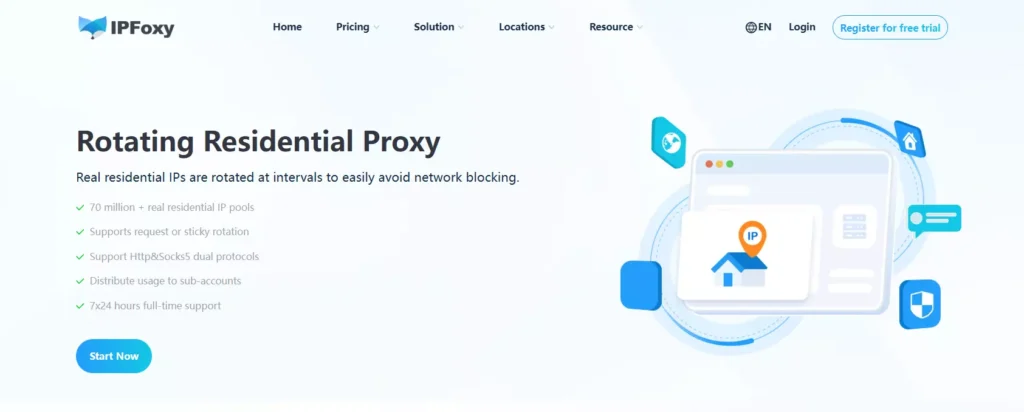
In real SEO operations, keyword rankings vary across regions. Automated scripts are often used for rank tracking with batch requests and timed intervals. To simulate real search behavior across different regions, IPFoxy dynamic residential proxy services are commonly used. With coverage in 200+ countries and city-level targeting, they help collect more accurate regional ranking data by simulating real user search environments.
2.3 On-Page Content Optimization
Improve relevance and readability:
● Optimize titles and meta descriptions
● Use clear H2 and H3 structures
● Strengthen internal linking across pages
3. Scale Organic Traffic
After ranking improves, the next step is traffic scaling.
3.1 Content System Building
A structured content system is more effective than random publishing:
● Blog content for search traffic
● Product pages for conversion
● Trust pages (cases, about) for authority building
3.2 Backlinks and Brand Signals
Backlinks remain a key ranking factor:
● Acquire high-quality backlinks to improve authority
● Increase brand mentions across platforms
● Expand content distribution for visibility
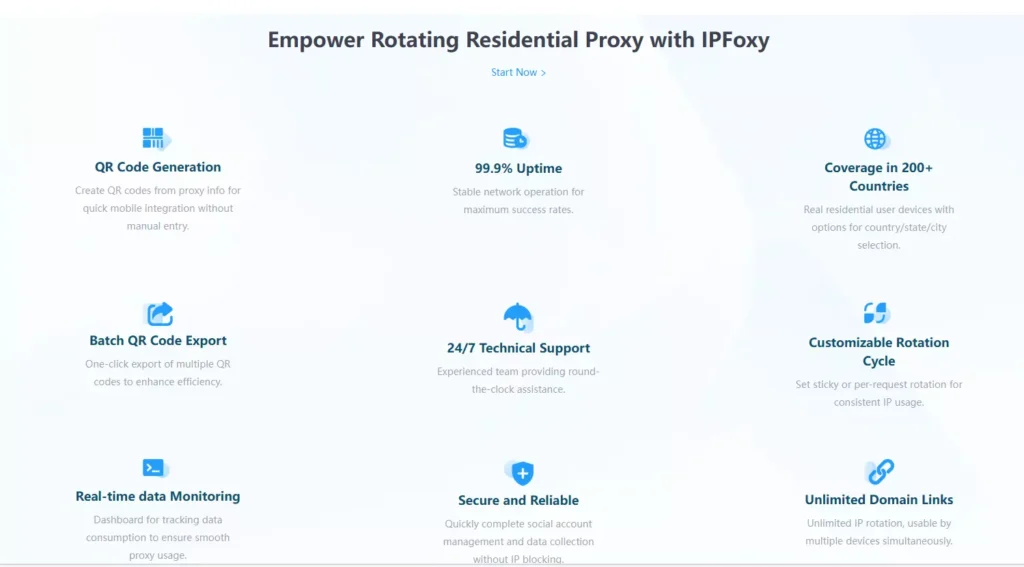
Search engines also evaluate backlink naturalness. A more realistic distribution pattern improves trust signals. Many SEO teams use IPFoxy dynamic residential proxy to diversify link-building behavior across different IPs, making backlink sources appear more natural and geographically distributed, reducing the risk of being flagged as manipulative SEO practices.
3.3 Continuous Updates and Index Monitoring
SEO requires ongoing optimization:
● Update old content regularly
● Adjust keywords based on performance data
● Expand new content topics continuously
4. Adapt to AI Search
AI-driven search is becoming a major traffic source.
4.1 How to Increase AI Citation
To improve AI visibility:
● Use structured formats like Q&A
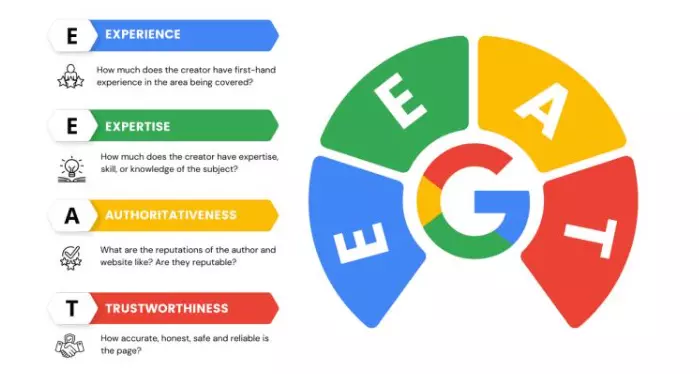
● Strengthen EEAT signals (expertise, authority, trust)
● Provide clear and direct conclusions
4.2 Zero-Click Search Strategy
Users may not click into websites anymore, so:
● Embed brand information naturally in content
● Provide concise answers for memorability
● Build recognition even without clicks
III. FAQ
Typically 1–3 months for initial changes and 3–6 months for stable growth. New sites may take longer depending on content quality and site authority.
SEO and ads are complementary. SEO builds long-term organic traffic, while ads provide fast testing and immediate traffic.
Search results vary based on location, language, and user behavior. Regional proxy-based testing can help evaluate performance across different markets more accurately.
IV. Conclusion
In the 2026 Google search environment, rankings are no longer determined only by keywords and content quality. Site structure, technical performance, user experience, and AI readability all play a critical role.
Only by improving indexing efficiency, ranking capability, and content systems—while adapting to AI-driven search—can e-commerce websites achieve stable and sustainable organic traffic growth.